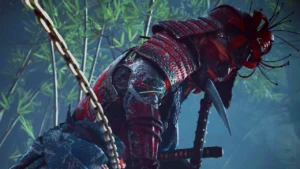

id Sofware’s Doom: The Dark Ages is the next big test of Microsoft’s $7.5 billion purchase of parent company ZeniMax. That purchase has turned out some wins like MachineGames’ Indiana Jones and the Great Circle, the Fallout TV show, and the recent sales success of The Elder Scrolls IV: Oblivion Remastered, but also some stumbles.
The poor performance of Redfall (and the layoff of hundreds of developers after the closure of Arkane Austin) is high on the list. Starfield was “the biggest launch” for Bethesda Softworks, but player feedback has indicated the new series hasn’t built as fervent a following as the company’s other big-budget franchises. And while Hi-Fi Rush pulled in over 3 million players, that didn’t stop Microsoft from shuttering Tango Gameworks (only for Krafton to quickly scoop it back up). Microsoft has clearly scrutinized each part of the ZeniMax portfolio after a major launch, and now one week out from the debut of Doom: The Dark Ages, it’s starting to feel like the studio’s fate rests on the shoulder of one new gameplay feature: the parry mechanic.
Doom: The Dark Ages is hardly the first game to demand players carefully time their blocks to stun or counter their enemies, but it may be one of the first big-budget first-person shooters with that game mechanic. Since Doom Eternal the market has been flooded by a number of Doom-inspired games earning praise and drawing dollars for a fraction of The Dark Ages’ budget.
A decade ago, The Dark Ages would roll over the competition. Today it’s worth asking—is the crowd interested in games inspired by the original Doom the same playerbase that’s grown to love parrying in games like Elden Ring, Star Wars Jedi: Survivor and the recently-released Clair Obscur: Expedition 33? Will they find this to be the right new direction for Doom or will this sole divergence make it easier to shrug off the rage of the Slayer?
Doom: The Dark Ages is designed around the parry
When players boot up their Xbox (whatever form it takes) with a craving for first-person demon slaying, The Dark Ages will be just a click away from the faster-paced, parry-free forefathers. And players will quickly find in The Dark Ages that the entire game is rebuilt around that one button.
The changes are quite complex—the rank-and-file developers at id have put a lot of work into answering the question “what if Doom Guy had a shield?” and the answers don’t just all come down to the timing of a simple button click. Gone is the “dash” seen in the last two Doom games, replaced by a shield charge that closes the gap between the player and monstrous foes. Parryable attacks are telegraphed with a glowing green visual effect, and most of them take the form of slower-moving projectiles inspired by the “bullet hell” genre—and of course the original Doom (in conversations with the press, game director Hugo Martin and executive producer Marty Stratton referenced a desire to revive gameplay where players weave around slow-moving shots moving in geometric patterns, a trend that vanished in the shift to ever-more “realistic” shooters).
Related:Titanium Court wins Seumas McNally Grand Prize at 28th annual IGF awards
That design decision is where The Dark Ages stands out from its FromSoftware-inspired peers, but the gravity of that dynamic stretches into the architecture itself—Environments are more tailored for circle-strafing around enemy creatures than racing forward to stay one step ahead of the bullet that might kill you.
The digital architecture is also shaped by this feature. Microsoft’s admirable commitment to accessibility is present here in the form of deeply-configurable difficulty controls that let players adjust the parrying window to one that fits their ability. It also lets them modify everything from enemy aggression to bullet speed, to general gameplay speed, and beyond. These settings that can stretch the game so far it raises the idea that two players might go through Doom: The Dark Ages and have two very different experiences.
Related:Pokemon Pokopia has topped 2.2M sales in four days
Then there’s the biggest gamble: the decision to prioritize parrying over online multiplayer. Mechanics that monitor precise timing are a perilous thing in online environments. It’s not impossible—FromSoftware has made its name on allowing players to visit each other’s games, either to help or hinder them in their quest for power. But the foundation of the Doom multiplayer doesn’t favor collaborative monster-slaying or careful one-on-one duels. Ejecting the multiplayer element allowed id Software to build out unique control schemes where the player switches to piloting a giant robots and heavy metal dragons, but those setpieces are supporting acts for the main game loop—made possible by eliminating online networking, but not the point of it.